

What Deinfluencing Month taught me
You can be your own influencer.


A funny thing happened when I went down the rabbit hole of a lil’ thing my colleagues and I invented and christened Deinfluencing Month: I got influenced.
After talking to all of our experts, I realized a really easy thing I could do to improve my health was as simple as stepping outside of my front door.
“Take a walk,” they all said.
So I did. I started taking a brisk walk, several days a week, several miles a day.
I regret to inform you all that it makes me feel really good and gives me so much energy and leaves me sore in a good way the next day. (If I have texted you about how much I love listening to the birds chirping in the morning while I walk and have scared you with this kind of disconcertingly earnest message, I’m so sorry.)
My walks have become such a part of my personality now that my mom even ordered me a weighted vest, I presume just to introduce some novelty into the conversation.
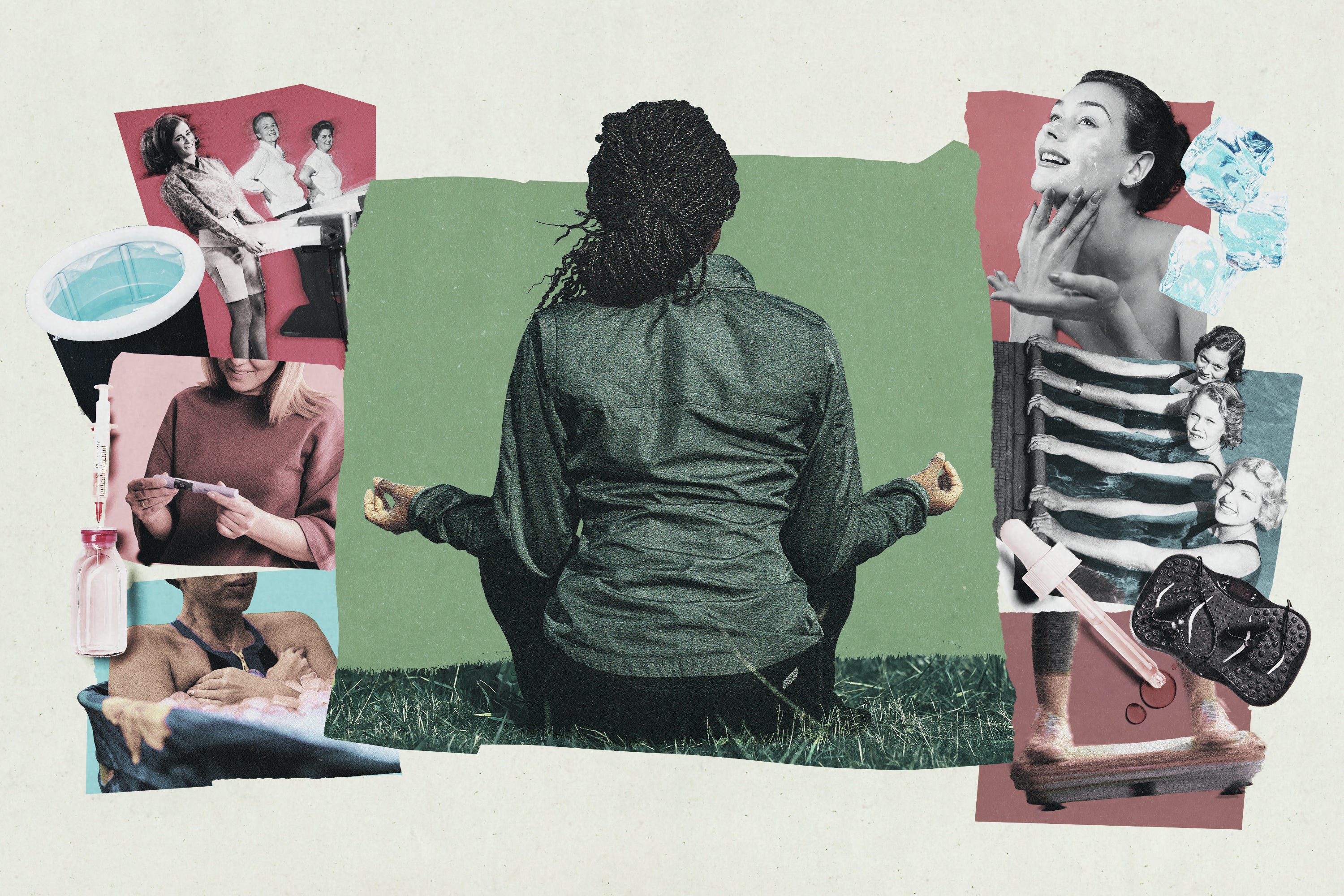
How I learned to stop worrying and love being influenced
It was so easy to feel influenced in this case: A bunch of people told me the same thing, so I tried it.
The barrier to entry was low. I didn’t have to buy anything. I didn’t have to master a new skill. I didn’t even have to suddenly possess an athleticism that has evaded me my whole life.
What I did have to do was get over the mental hurdle of committing to lacing up my shoes and opening the door.
And that mental hurdle is not nothing. It’s a good reminder that even “easy” advice isn’t always easy — or right — for everyone. But it did feel empowering to be reminded that when it comes to wellness, it’s OK to get a nudge in the right direction from others, that it’s not wild that we’re all looking for someone to tell us exactly what we should be doing.
Fortunately for me, my job is calling people and asking them about what they advise. What I heard overwhelmingly was that the best way to age well was to stick to the basics: Move your body in a way that feels good to you. Eat a balanced diet. Get a good night’s sleep.
It can seem like there are infinite choices to be made about how to maximize our health. But I found it is possible to tune out the noise and stick to creating a manageable plan that works for each of us as individuals. You can be your own influencer.
As Liz Baker Plosser said when we talked about cold plunges a few weeks ago, what it all comes down to is listening to your own body. Full stop.
(That said, if one of you could help with some tips on how to influence me to actually drink more water, I would be very grateful.)
The siren song of stuff
But of course I also understand how easy it is to fall into the quicksand pit of worrying that you’re not doing enough.
While writing and researching this series, I found that the more I started poking around the Internet for answers, the more paranoid I felt.
Creatine, amino acids, fiber, protein, mouth tape, magnesium — should I be using them? In some magical just-right amount? Am I destined to slowly rot away if I don’t?
(And for those of you who wrote me about these things — message received, and I’ll be digging into them more for you in the future too!)
There were so, so many Instagram reels about lowering cortisol levels and healing my vagus nerve, random people with no medical background offering up lipedema diagnoses, and women with glistening skin and slicked-back ponytails boasting about the benefits of various types of massage, from lymphatic drainage to buccal.
We shouldn’t be ashamed about wanting to age well, to feel good in mind and body. But also it can feel like nothing is ever enough.
There’s a real dearth of high-quality information about midlife women’s health, so often what we’re being pushed isn’t about making us healthier but rather just about making us buy things. The message: You’re failing if you’re not fully engaged in the consumerist project of health.
But you don’t really have to buy one more thing to feel better.
(My personal favorite hack for not buying The Thing: Add to cart and then leave it there. Sometimes just moving it to the cart scratches the itch — and reminds you that you actually don’t really need this.)
No one is coming to save you (from judgmental people)
People going through midlife and beyond deserve to make the choices that feel right for them, and they deserve to have high-quality information to make those choices.
Reporting this series also reminded me that the world is often uncomfortable with the very notion of women having bodies and aging in them.
A journalist friend summed up this series as “people being weird about how women move their bodies.” It felt right.
There’s a surplus of advice — many of which originates from the longevity / biohacking / bodybuilding bro corner of the Internet, some of whom have recently been revealed to have some problematic ideas about women and their bodies and agency — and also a surplus of judgment. (Perhaps you have heard about the men who like to tell women to do Pilates. Important context: I do Pilates! And not because a man tells me to.)
I’ve also had to reckon with how much of the judgment is self-inflicted. If you’re reading this, you’re probably also still grappling with the messages we received from the 1980s to early aughts about our bodies and our identities and worth. And yes, you’d better believe I’ll be writing more about what continuing to unpack this looks like as we age too. (I was struck by this recent New York Times story on the rise of older women in high fashion modeling — and how all the women featured in it had the same body type.)
Which again, is when I have to remind myself about the agency I do have: I can move my body in a way that feels right for me. I can trust myself. I can get older. And hey, I can even like myself too.
And that actually is a pretty good start.
Yes ! You can be your own influencer ;)
Concerning drinking more water, here is what worked for me. I do not like just plain water. When I gave up sodas years ago, I started drinking sparkling water. It helped so much in the transition from soda. Then I started worrying about all the single-use plastic bottles I was using. I got a Drinkmate (there are others), a carbonated water maker. I drink so much more water now! I like adding a lime, lemon, or even cucumbers to it sometimes. I don't use any fake, sugary flavorings, just plain water, but carbonated.