

Women over 40 get to be complicated on screen, finally
Now it’s time for more of them to get sexual


Will you be in Austin for SXSW? We’re hosting a party Thursday, March 12, to kick off South By Southwest — and we’d love to have you join us! Join me for a discussion on midlife health, its place in our culture and what it really takes to shift the narrative. We’ll have food, drinks and plenty of time to connect. This is a space to share experiences, ask questions and build community.
You can RSVP for the party here. Please feel free to share with anyone else in your network who will be in town and might want to join us — I hope to see you there!
Actor Rose Byrne is 46. In “If I Had Legs I Would Kick You,” she plays Linda, a therapist who is struggling to balance a demanding and emotionally draining job with caring for a largely unseen daughter with a pediatric feeding disorder, all the while her husband is away working as a ship captain. Her performance has been widely heralded as raw, expansive and nuanced, an extreme close-up of a woman who is trying so hard to care for others.
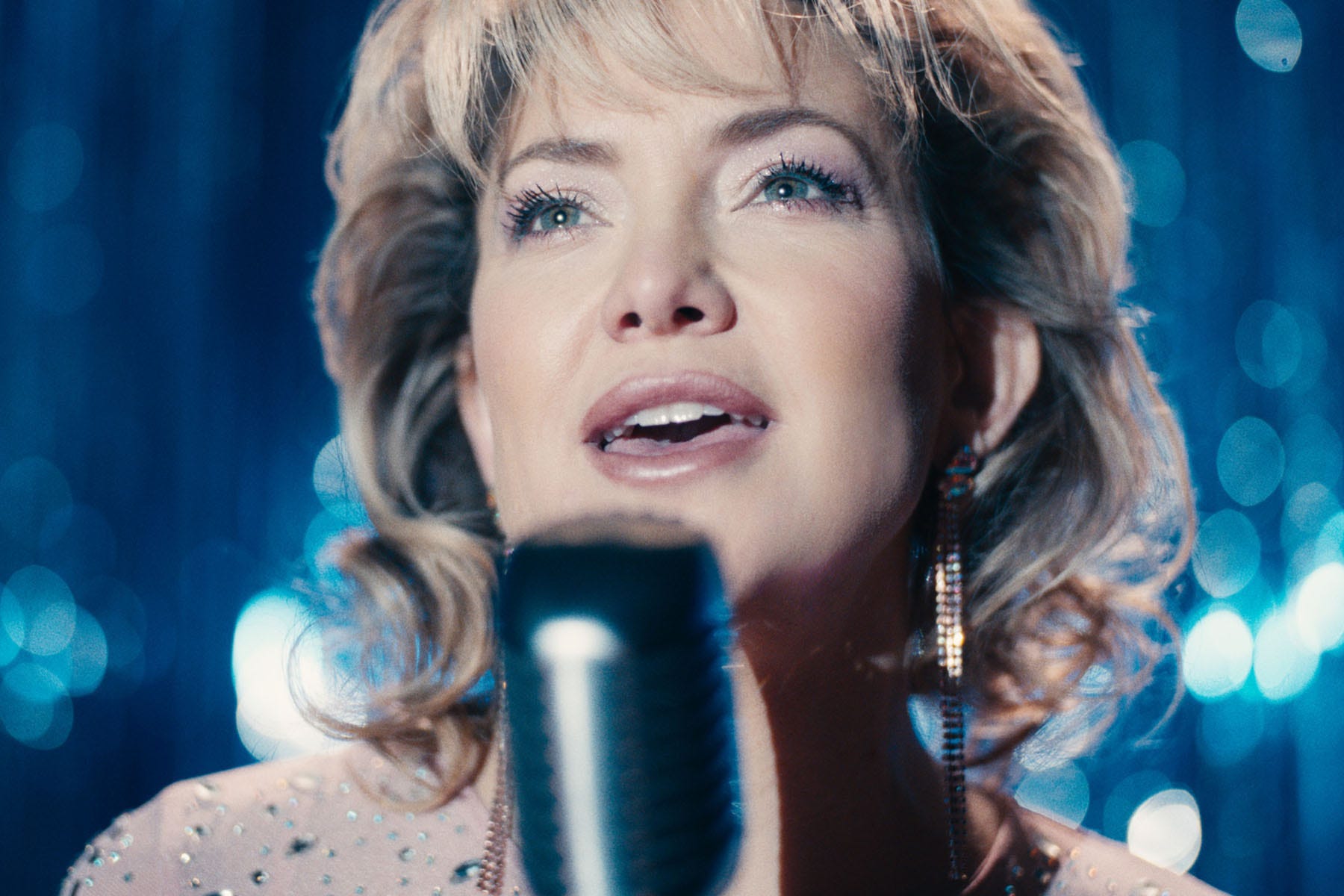
Kate Hudson is 46, too. She plays Claire “Thunder” Sardina in “Song Sung Blue,” a biopic about a husband-and-wife Neil Diamond tribute band. It tells the story of a tragic accident and the years of addiction, mental health crisis and physical pain that follow — and how Claire’s journey of self-discovery and recovery makes the seemingly impossible take shape.
They’re both Academy Award nominees for Best Actress in a Leading Role — a category whose winners have historically skewed younger. (Last year’s winner, Mikey Madison, was all of 25 at the time of her win.)
That said, in the past decade we’ve seen notable wins by women who are firmly in midlife: Frances McDormand, in her 60s at the time, won in 2018 and in 2021, and Michelle Yeoh was a 60-year old winner in 2023 for “Everything Everywhere All at Once.”
And they won for playing wonderfully complicated characters: McDormand’s vengeful, violent and deeply tormented Mildred Hayes in “Three Billboards Outside Ebbing, Missouri”; her turn as the van-life-discovering Fern in “Nomadland”; Yeoh’s kung-fu-fighting, multiverse-hopping Evelyn Quan Kang as an immigrant mom just trying to keep her family loved and safe.
These women were flawed, interesting, occasionally filled with rage and often deeply vulnerable. They were exactly the kind of characters that make me want to go to the movies. (Obligatory Nicole Kidman, “Somehow heartbreak feels good in a place like this” moment here.)
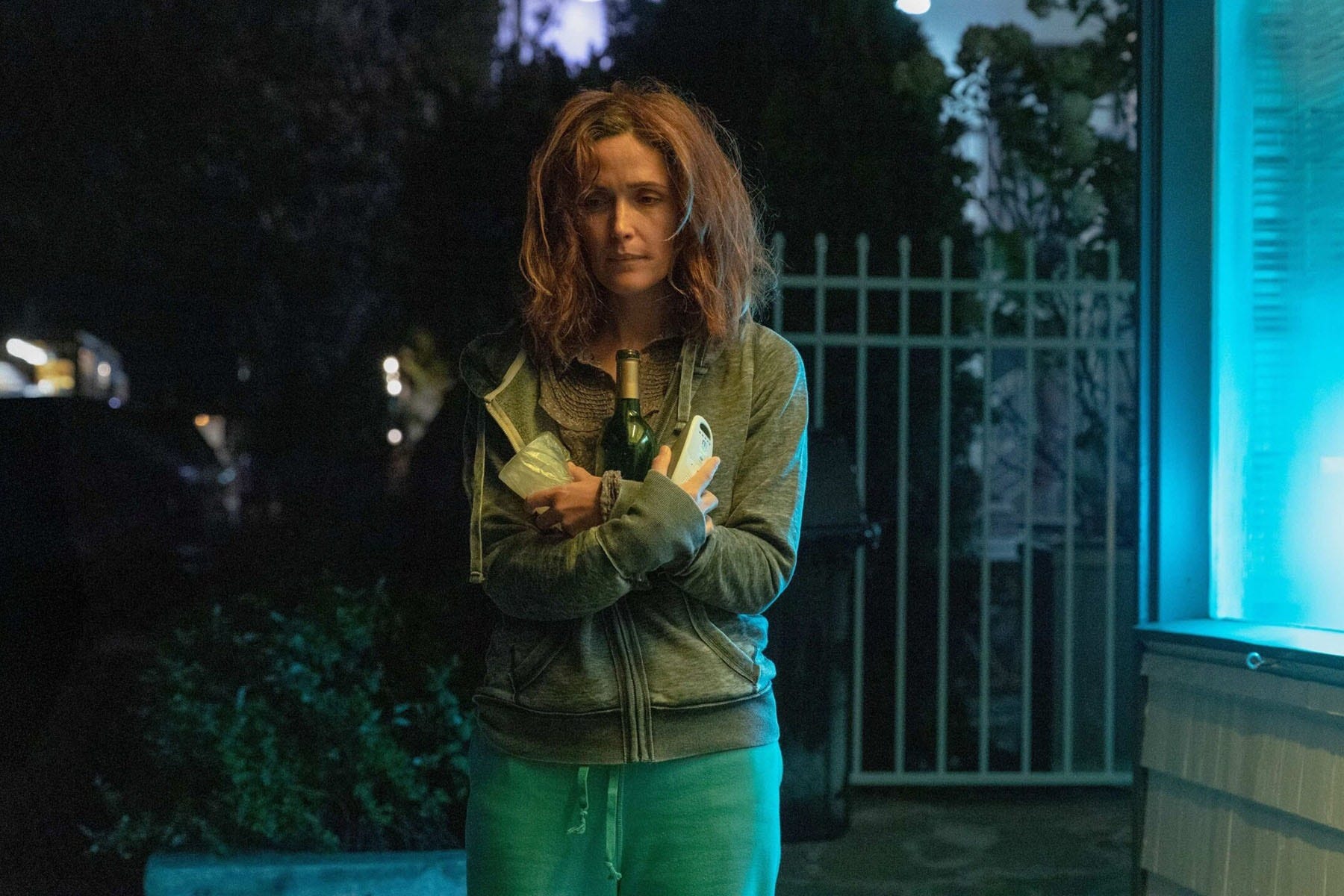
It also speaks to what’s resonating with people about Byrne and Hudson’s performances this year: They’re roles that show women can be just as messed up, despondent, striving and triumphant as any man.
Cue the expert
I wanted to know how to contextualize women’s representation on screen, so I called Madeline Di Nonno, the president and CEO of the Geena Davis Institute (GDI), which has been researching gender representation on screen for decades.
In December, the group released a report, “Missing in Action: Writing a new narrative for women in midlife on the big screen,” evaluating over-40 characters in films released from 2009 to 2024.
And what a surprise: They found real and persistent age gaps in storytelling when it comes to men versus women in midlife.
Di Nonno said women characters over 40 are twice as likely as equivalent men characters to have a storyline focused on physical aging — 15 percent vs 7 percent.
GDI also found that women are portrayed in a frantic chase of beating back these tell-tale signs of aging. Three-quarters of characters who engage with cosmetic treatments of any kind are women. And men? Well, they’re only ever shown dying the occasional gray hair or trimming a stray nose hair.
And the stereotypes go beyond the superficial, Di Nonno said. She pointed to “the sad widow trope,” when a character’s entire storyline is defined by the loss of their spouse. Nineteen of the films released over the past 16 years featured a “sad widow,” while only eight had a “sad widower.”
Of the 225 films reviewed in the GDI study about menopause representation, only 14 mentioned menopause. And when it was mentioned, it almost exclusively was there to serve as some kind of comedic device about women’s inevitable decline, Di Nonno said. “So, we have a lot of work to do in terms of this narrative culture change work.”
“When you think about midlife and aging, particularly with menopause, it’s positioned as the end instead of the beginning,” DiNonno said. “But we’re living so much longer. … By the time we hit midlife and menopause, we’ve got another 40-, 50-something years left to live. It’s the beginning of this age of wisdom and knowledge and should be celebrated.”
We’re talking about sex again
On screen, what’s often missing is the sense of hope, possibility, and, yes, sexuality that feels real to what most people’s midlife experiences entail.
Can midlife women be sexual on screen? The question reminds me of an infamous sketch from “Inside Amy Schumer.”
In the 2016 sketch, Schumer (then in her early 30s) is hiking through a lush California landscape when she comes upon a sumptuous picnic being enjoyed by Tina Fey, Patricia Arquette and Julia Louis-Dreyfuss, all playing themselves (and all in their mid-40s through late 50s at the time). Louis-Dreyfuss welcomes Schumer, also playing herself, telling her they’re celebrating the official moment when Hollywood stops considering her as sexual or desirable.
Who tells you when your “last fuckable day” — the sketch’s title — comes, Schumer asks.
“Well, nobody, nobody really overtly tells you, but there are signs,” Fey says. “Like, you know how Sally Field was Tom Hanks’s love interest in ‘Punchline,’ and then, like, 20 minutes later, she was his mom in ‘Forrest Gump’?”
Also, Louis-Dreyfuss says, there are a lot of long sweaters that cover your entire body waiting for you in wardrobe.
I love a big sweater, don’t get me wrong. And I love watching talented women play complex characters enduring hardship. But I also think we deserve to see women over 40 as sexual and powerful — not just facing insurmountable odds.
Violet Bridgerton and all of us
So much of the richness and complexities that come with aging are basically nonexistent on screen.
Men and women ages 50 to 85 agree that there are not enough characters on TV who are older, another GDI survey shows. And when they are portrayed, it is in ways that don’t feel representative. They wanted to see more love, marriage and romance for older characters.
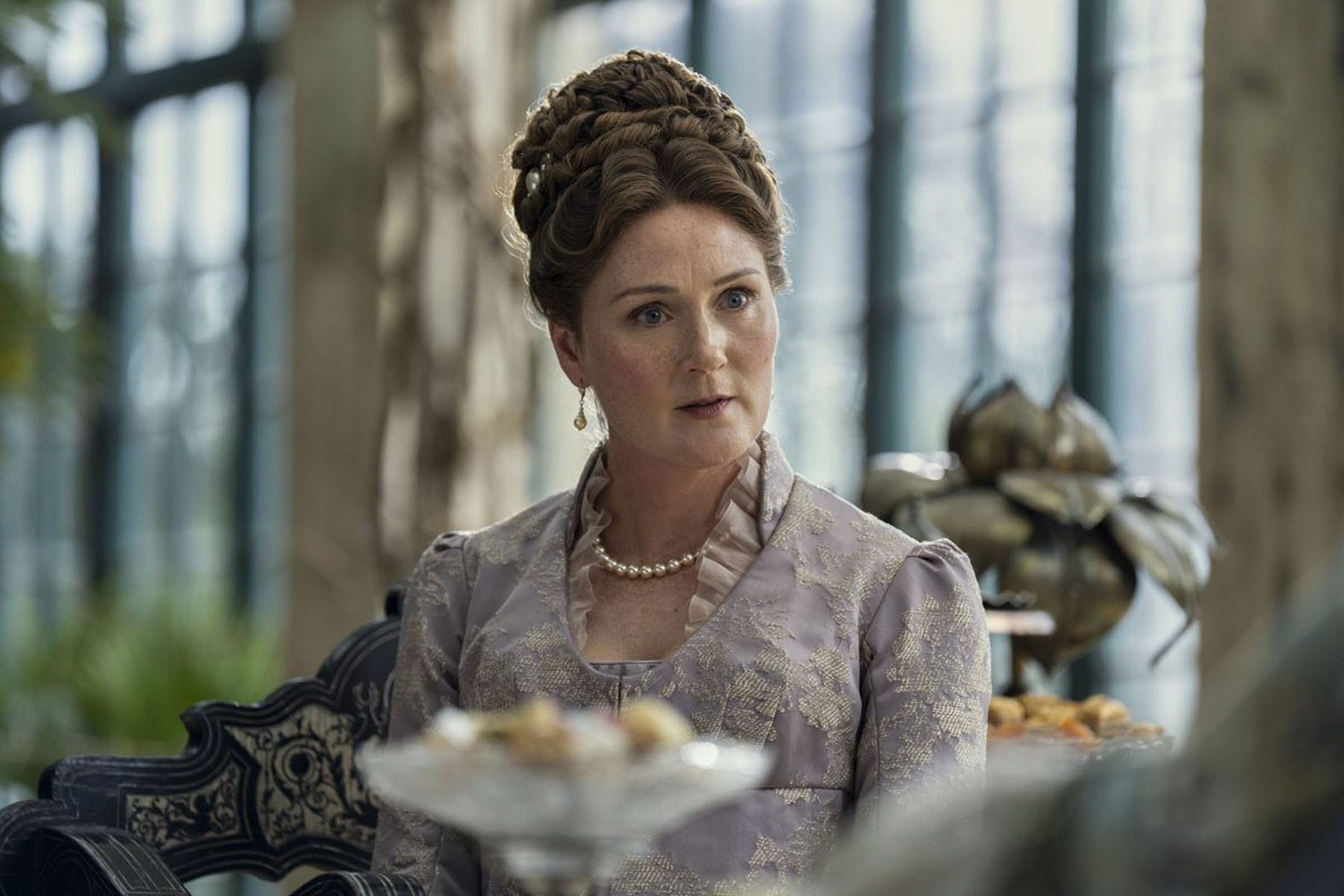
That romance is part of what has made this season of Shonda Rhimes’ “Bridgerton” so appealing, as matriarch Violet Bridgerton finally is seen with a love — and sex — interest of her own.
She grapples with insecurity about having sex with a new partner and her feelings about her own body, while also feeling plenty entitled to an evening “tea.” It feels far from a coincidence that her storyline is the one resonating with everyone I know: Yes, we all love how opulent and beautiful the world of Bridgerton is, how lovely it is to get lost in the fantasy of it all. But with Violet? Well, it feels like we’re getting that fantasy and something very real.
What women want
Seeing more women in midlife play more dynamic, well-rounded roles makes good economic sense for studios too, Di Nonno said. The GDI survey of older viewers found that they stop watching when characters who are midlife and beyond are portrayed as frail, frumpy and sad. They want to see characters who look like them — and they want to see those characters thriving.
It’s why Di Nonno says she hopes that industry execs are paying attention to what audiences really want when it comes to women in midlife: “One, they’re fully in control of their destiny and not a victim. Two, they can experience romance and love and sex without guilt. And three, they have full awareness of their financial power and literacy.”
We’ll all have what Violet Bridgerton is having: looking our age and being celebrated for it — riveting sex scenes and all.
Glad things are changing. I wrote this in the 1980’s. Thank God, those statistics changed.
HOW TO AGE IN HOLLYWOOD - A GUIDE FOR ACTRESSES
1. Try not to stand in a position where anyone will see you in profile.
2. Never go anyplace during the day. Remember that the entire social structure for women in Hollywood is based upon lighting.
3. Have at least one affair with a twenty-five year old so you know what an ass Michael Douglas really is.
4. Statistics from Screen Actor's Guild: 40% of the income made by Guild members is made by females under 25, another 43% is made by men over forty. And 2% by is earned
by women over forty.
5. How do you think I feel? I was an actress until they retired me.
6. It's as if you had no choice but to put on a cheaper, uglier dress day after day, week after week. How does one do this with dignity and grace?